Bor is a forest where trees of predominantly coniferous species grow, and also a Satellite City of Nizhny Novgorod, the center of Borsky District of Nizhny Novgorod Region.
Geography
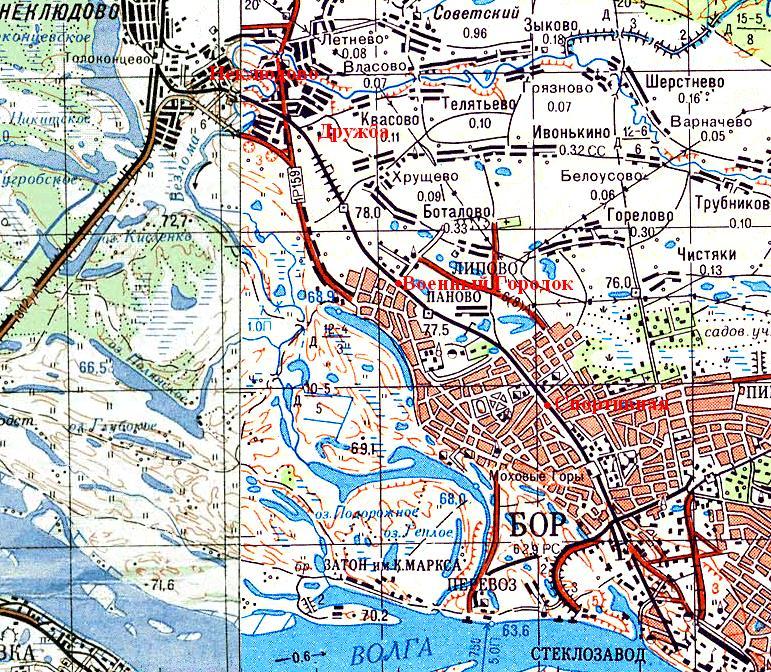
Bor is located on the left bank of the Volga, opposite Nizhny Novgorod, 19 km to the east of it. Since 1965 it has been connected to Nizhny Novgorod by a road bridge. Nearest cities: Nizhny Novgorod, Balakhna, Dzerzhinsk, Gorodets, Kstovo. The distance to Moscow is about 450 km.
The Mokhovye Gory railway station.
Bor is known as a picturesque dacha area (pine forests have been preserved).
Area (sq. km): 147
Demography
In 1989 the city had a population of 64 thousand. According to the 2002 census, the population had fallen to 61 thousand. However, following the incorporation of the urban-type settlements of Neklyudovo, Oktyabrsky and Bolshoye Pikino, the population stood at 80.6 thousand at the start of 2006.
Bor is part of the Nizhny Novgorod Metropolitan Area, with a population of 2,020 thousand (5th place in Russia).
History
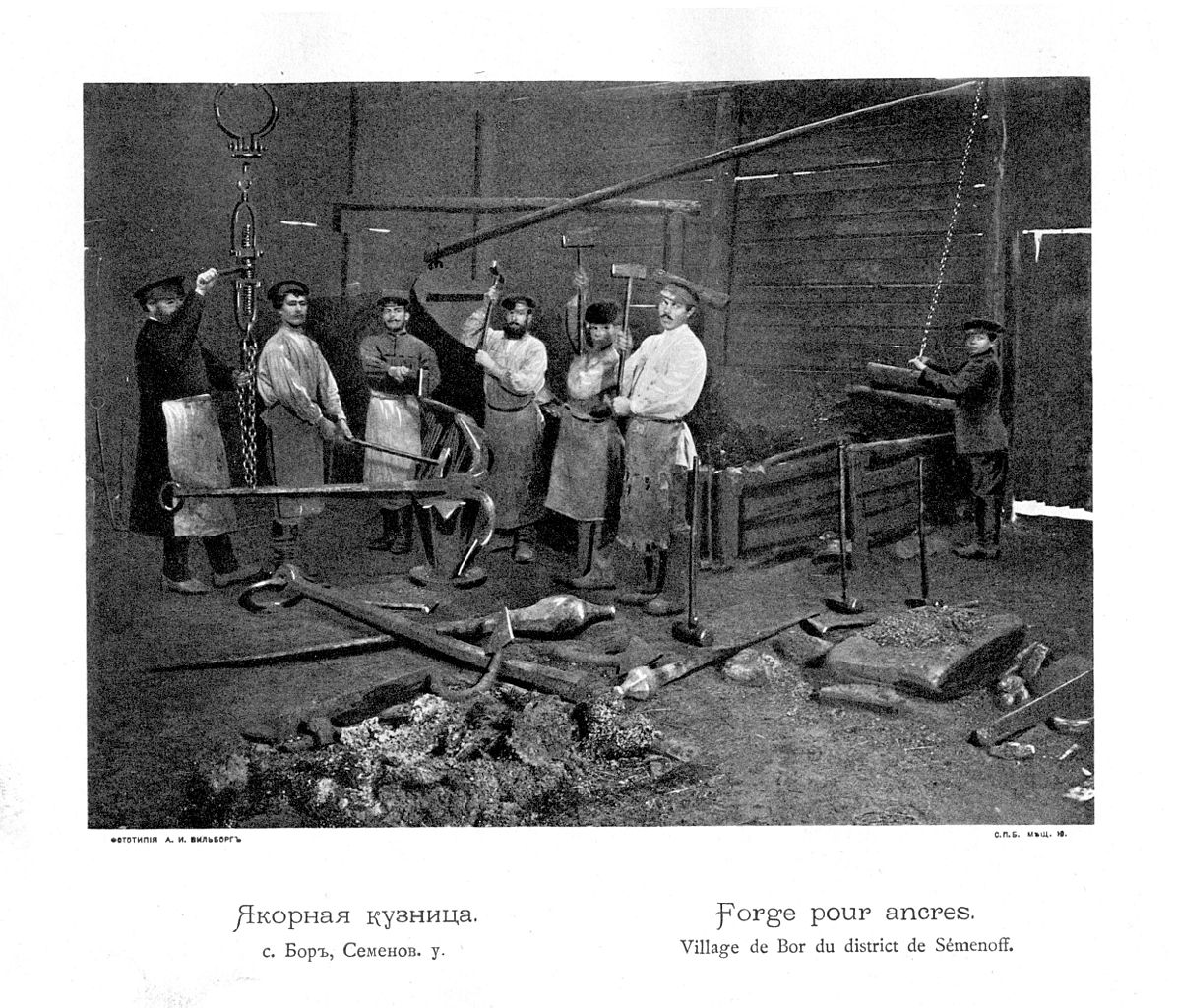
First mentioned in the 13th century as the Vezlomskaya sloboda (settlement) at the mouth of the Vezloma River. It was later moved 1 km to the north under the name Borovskaya sloboda. The name comes from bor — "a coniferous, predominantly pine forest; a dry, elevated place where pines usually grow".
"Urban-type settlement of Bor" since 3 January 1931.
City status was granted in 1938. In 2005 the dacha settlement of Oktyabrsky was incorporated into the city.
Transport
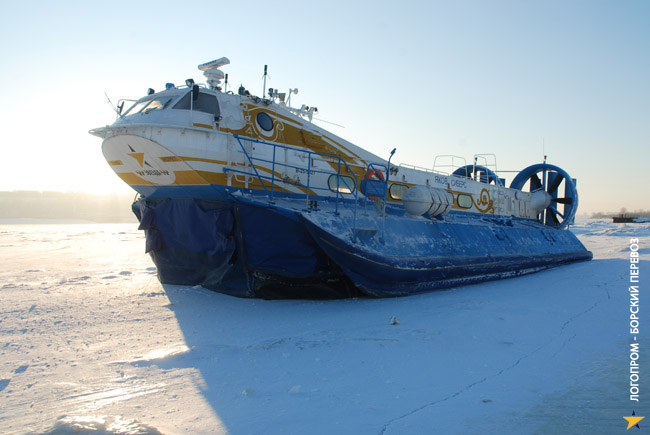
The P159 highway Nizhny Novgorod — Kirov passes through the territory of the city. The main traffic flows are directed toward the city of Nizhny Novgorod via the Borsky Bridge.
OJSC "Nizhegorodsky Teplokhod" ("Nizhny Novgorod Steamship")
603450, Nizhny Novgorod Oblast, Borsky District, Bor, Lunacharskogo St., 128 Phone(s): 36-42-80, 2-24-63 Fax: 2-37-82 Offers: electrodes, forgings, cast iron and steel castings, port equipment
CJSC "Borsky Silikatny Zavod" (Bor Silicate Plant)
606405, Nizhny Novgorod Oblast, Borsky District, Bor, Steklozavodskoye Highway Phone(s): 36-72-15 Fax: 36-72-15 Offers: silicate brick, hollow brick, colored brick, lime
OJSC "Borsky Steklozavod"
606450, Nizhny Novgorod Oblast, Borsky District, Bor, Steklozavodskoye Hwy, 1 Phone(s): 36-96-85 Fax: 36-95-13 Offers: polished glass, window glass, armored glass, double-glazed units, tempered glass, mirrors
OJSC "Borskaya Fabrika Pervichnoy Obrabotki Shersti" (Bor Wool Primary Processing Factory)
606460, Nizhny Novgorod Oblast, Borsky District, Bor, Klubnaya St., 1 Phone(s): 2-74-23, 2-70-99 Fax: 2-28-82 Offers: washed wool
Bor Museum of Local Lore
606440, Nizhny Novgorod Oblast, Borsky District, Bor, Internatsionalnaya St., 1 Phone(s): (83159) 2-1047, 2-1201, e-mail: bormuzei@mail.ru website: www.muzeibor.jimdo.com
Famous Bor residents
- Cosmonaut Selivanov
- Cosmonaut Zudov
- Yevgeny Arkadyevich Negin, theoretical physicist, designer of nuclear warhead prototypes, director and chief designer of VNIIEF in the city of Arzamas-16 (city of Sarov) from 1978 to 1987.
- Pavel Shiganov, RSFSR champion in cross-country skiing
- Eduard Ergartovich Rossel, Russian statesman and political figure, head of administration in 1991–1993, Governor of Sverdlovsk Oblast since 1995.
City websites
- Боргород.рф "The website "Боргород.рф" is the only independent website of the city of Bor and Borsky District. The most interesting and lively news, the smartest and most caustic comments. The only Bor forum with freedom of speech."
- Tvoy-Bor "The website "Tvoy Bor" is the most visited website in the city of Bor. The site is visited daily by 300–500 people, amounting to more than 3,000 page views per day."
Unusual projects related to Bor
The pull toward Nizhny Novgorod, combined with the significant obstacle posed by the rather wide Volga at this point, has made Bor a notable experimental ground for attempts to link it to the metropolis — or to resettle agglomeration residents there. These projects have included:
Bor in Literature

|
The town was so varied in every respect and so mysterious that it caused a great deal of trouble for the Soviet authorities. Here every resident had a house with bolts and locks, it was easy for shady characters to hide, and this town had more theft, robbery and murder than anywhere else. The police wore themselves out trying to establish law and order here, but with little success. To make matters worse, former convicts were allowed to settle in the town, choosing it as a refuge where it was easier to find plunder, hide from the authorities, and which was close to the regional center, the wharves, and finally to the taiga. Rarely did a night pass without victims. | 
|
Interesting facts
- The construction of skyscrapers in Bor is necessary to satisfy the ambitions of the neighboring city's residents: the fact is that In the historic part of the city, no buildings taller than six stories may be constructed.
- Bor is the champion among Russian cities in the number of cosmonauts per capita.